Restoring heritage and keeping memory alive
Together with the Association for a Twentieth-Century Ethnological and Graphic Museum, we are launching a citizens’ campaign to promote the creation of the Alicante Ethnological Museum.
The proposal has two aims. It would save the industrial heritage embodied in the protected, council-owned Harinas Cloquell building and preserve an increasingly fragile part of the ethnological and ethnographic memory of Alicante and its province.
We believe Alicante cannot go on losing its industrial architecture or the objects, tools, trades and ways of life that explain how the city of today took shape. We therefore propose turning Harinas Cloquell from an abandoned building into a useful public space people can visit and that reflects Alicante’s identity.
Harinas Cloquell as a home for MET Alicante
The campaign proposes housing the Alicante Ethnological Museum, MET Alicante, in the former Harinas Cloquell mill in Benalúa Sur. The building has belonged to the council since 2022, is protected and occupies a strategic position on the waterfront and at the city’s southern gateway.
In recent weeks we had already raised concerns about the building’s neglect and unlawful occupation, and the need to close it, protect it and put it to public use. This proposal goes a step further by turning an urban problem into a cultural opportunity for Alicante.
The request was formally registered with the Mayor’s Office and the council departments for Urban Planning, Culture, Tourism, Infrastructure and Strategic Plans. We ask for political and institutional commitment, the transfer of the building as a suitable, accessible home for the museum and work to begin on plans to restore and adapt it.
A collection ready for the museum
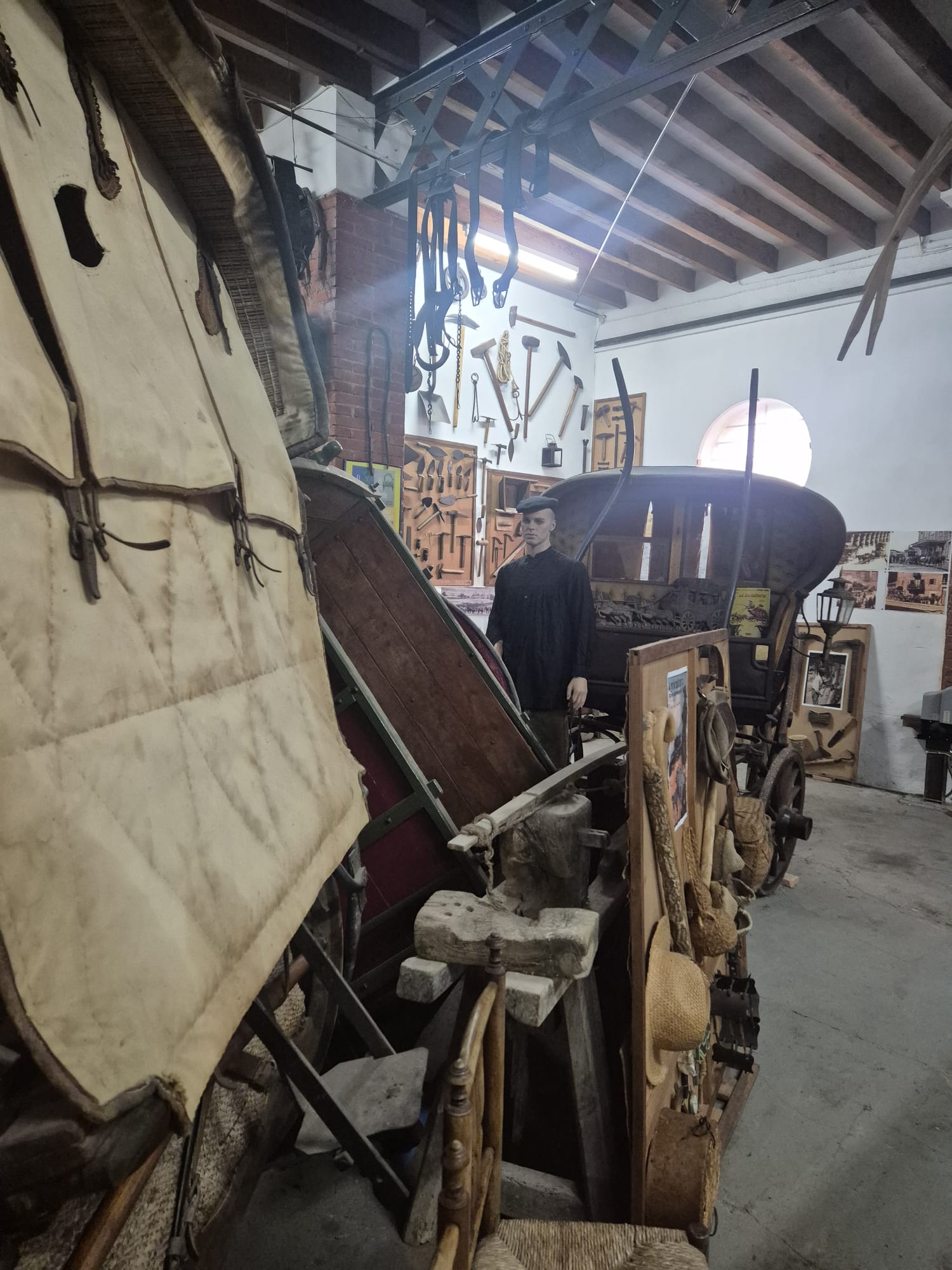
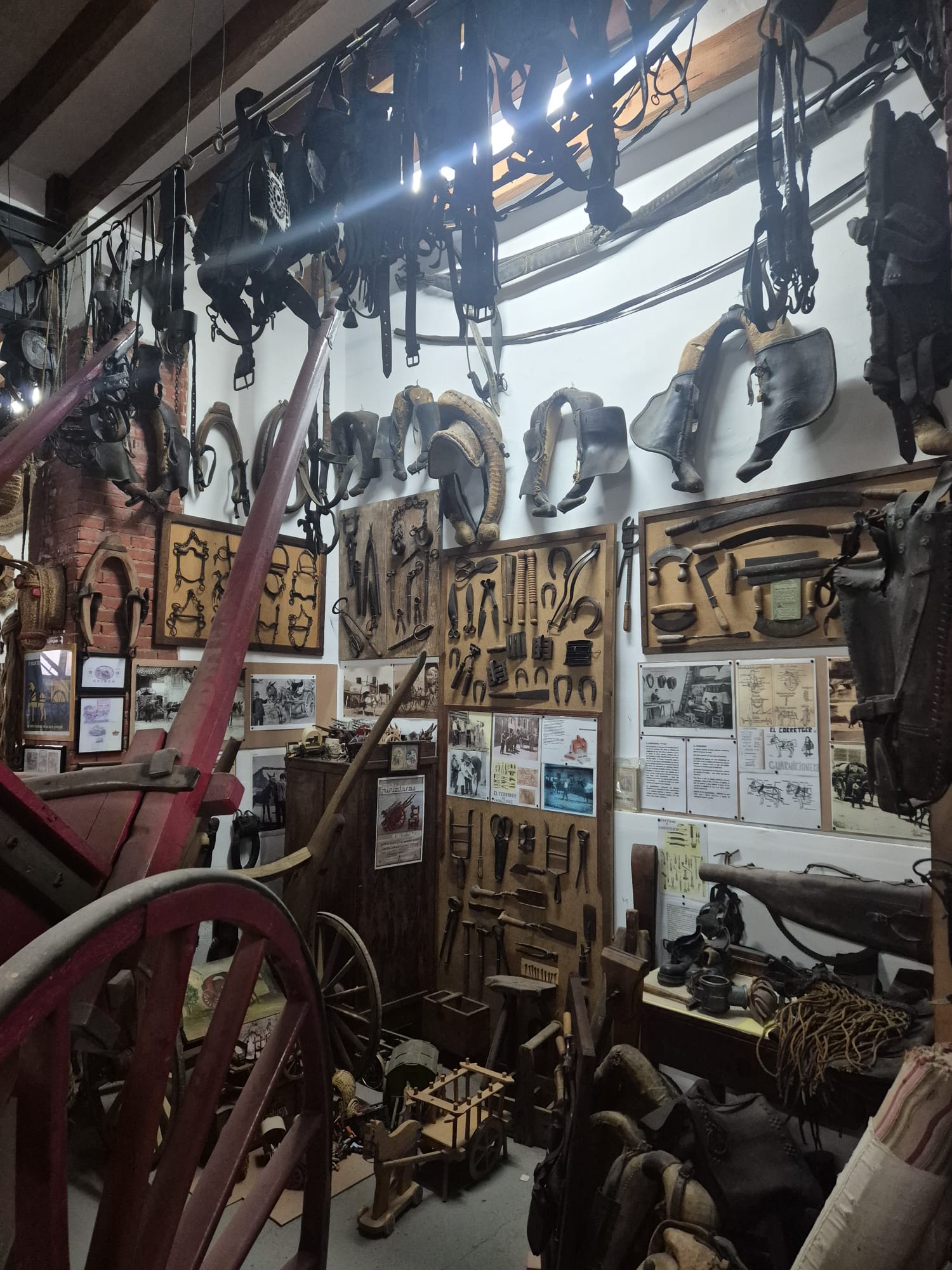
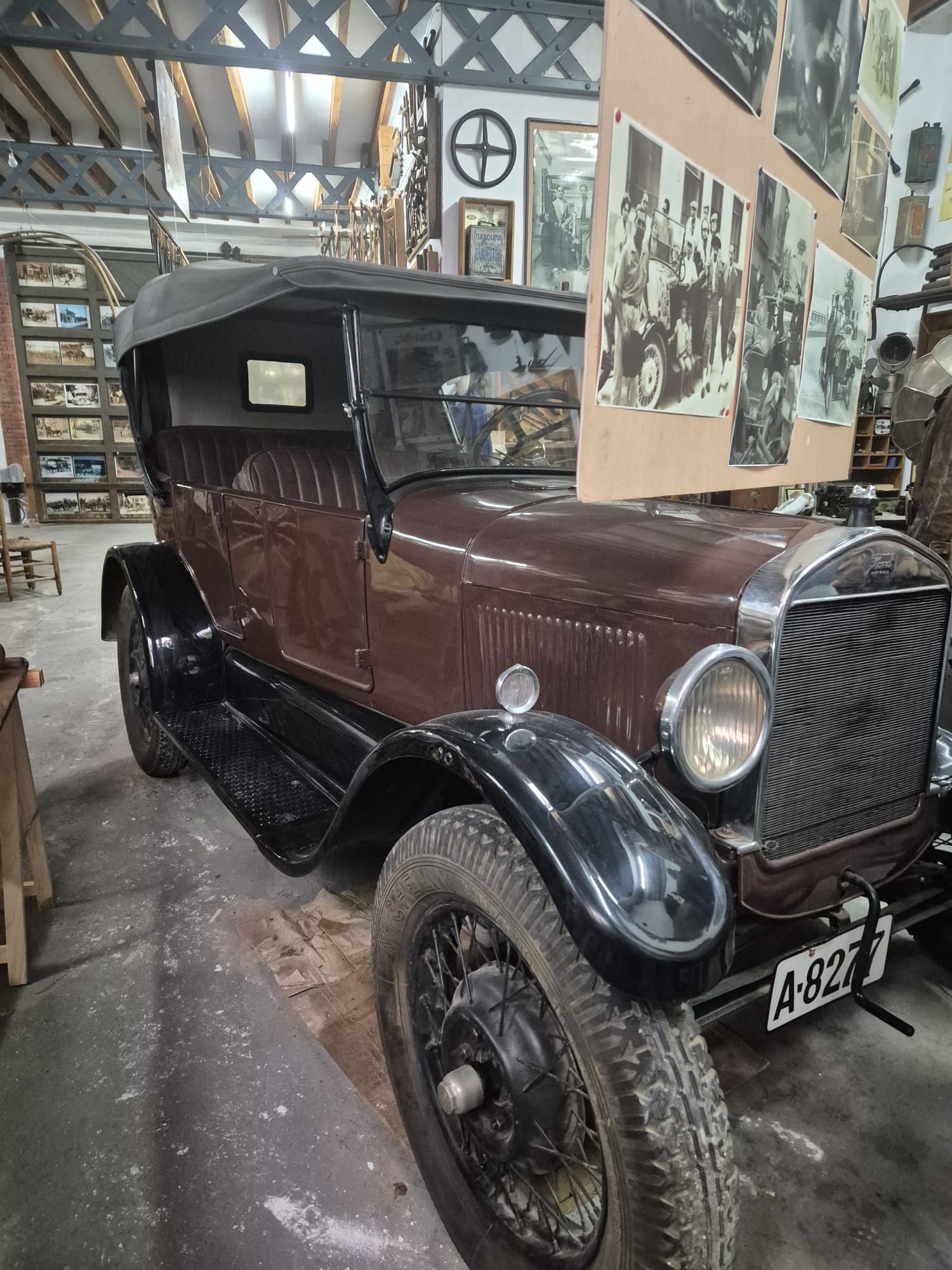
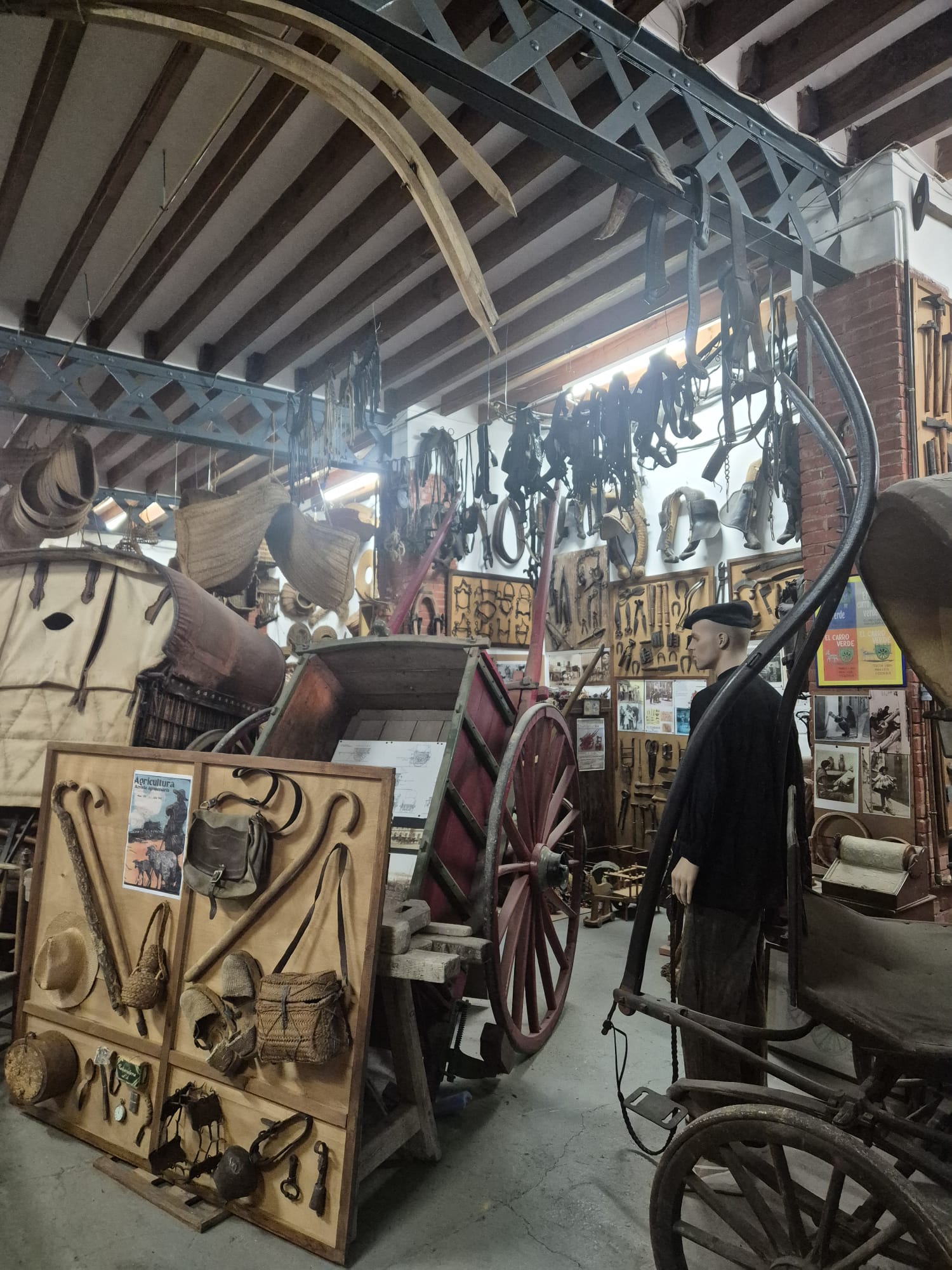
The project can build on an existing collection. The Association for a Twentieth-Century Ethnological and Graphic Museum has joined the initiative by offering the future museum a private collection of tools, utensils, vehicles and carriages from old trades, mainly from the late nineteenth and early twentieth centuries.
The collection would give the museum real exhibits from the outset. The pieces illustrate trades, farming, traditional transport, visual records and ways of life that risk being lost unless they are preserved, documented and explained in a public space.
We believe this initiative can bring cultural, educational and tourism benefits to Alicante. It can also help revitalise Benalúa Sur and the city’s southern waterfront, an area that has endured too many years of neglect, derelict plots and delayed promises.
The campaign’s manifesto
The manifesto recalls Alicante’s rich, diverse and plural identity, shaped over centuries by traditional trades, neighbourhood life, work at sea and on the land, and the growth of industry. It also identifies a longstanding gap: the absence of a public museum to recover, preserve and share that collective memory.
The organisations and individuals signing the manifesto call for three basic commitments: political will to establish and equip the Alicante Ethnological Museum, suitable and accessible premises of heritage value, and an open process involving civic groups, residents and academics in shaping the collection and its interpretation.
Read the full document here:
Media coverage
Gallery